
How Does Potato Starch Machinery Work?
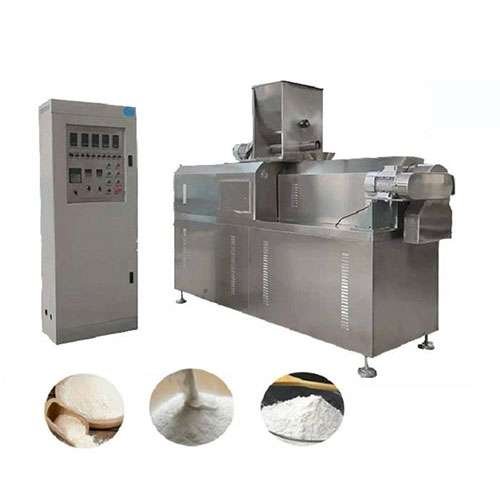
The working process begins with fresh potatoes entering the processing plant. Each stage performs a specific function to release and recover starch efficiently.
1. Potato Receiving and Inspection
Fresh potatoes are received and inspected before processing. Damaged potatoes and large foreign materials can be removed during this stage.
The quality of the raw potatoes has a direct impact on starch recovery and final product quality.
2. Potato Washing
The potatoes are thoroughly washed to remove soil, sand, stones, and other contaminants.
A suitable potato washing system helps protect downstream equipment while improving the hygiene of the processing operation.
3. Potato Crushing or Rasping
Clean potatoes are crushed or rasped to break their cellular structure and release starch granules.
Efficient rasping is important because the amount of starch released at this stage influences overall extraction efficiency.
4. Starch Extraction
After crushing, the potato material is mixed with water to form a slurry. The starch is released into the liquid phase while larger fibrous materials remain suspended.
The extraction system separates the starch-containing liquid from coarse potato material.
5. Fibre Separation
The extracted slurry contains starch as well as potato fibre and other components. Separation equipment removes the fibre to improve the quality of the starch slurry.
6. Starch Purification
The starch slurry undergoes further separation and washing to remove soluble impurities and remaining unwanted materials.
Hydrocyclone systems and other separation technologies may be used in commercial plants depending on the required purity and plant configuration.
7. Starch Concentration and Dewatering
After purification, the starch slurry still contains a considerable amount of water. Dewatering equipment reduces the moisture content before drying.
Effective dewatering can reduce the load on the drying system and improve overall process efficiency.
8. Starch Drying
The dewatered starch is dried under controlled conditions to reach the required moisture level.
The drying stage is particularly important because excessive heat or unsuitable drying conditions can affect the characteristics of the finished starch.
9. Sieving
Once dried, the starch may pass through a screening or sieving system to remove unwanted particles and achieve a consistent finished product.
10. Packaging
The finished potato starch is weighed and packed into suitable bags or containers for storage, transportation, or further industrial use.